
Decarbonizing Panama's Commercial Sector Through Precision Moisture Control
Leveraging 25 years of coastal expertise to support Panama’s 15% energy reduction mandate. Our independent dehumidification systems remove the hidden moisture load that forces HVAC and refrigeration systems to overwork - enhancng the impact of exisitng energy initiatives.
Custom Dehumidification Systems for Buildings in Panama
Commercial buildings in Panama operate in one of the most humidity-intensive climates in the world, where high dew points create persistent moisture challenges that traditional HVAC systems are not designed to manage. As a result, buildings are often overcooled in an attempt to control humidity, leading to energy waste, condensation, and long-term structural and indoor air quality issues.
Our custom independent dehumidification systems are engineered to separate latent moisture load from sensible cooling, delivering precise humidity control, improved energy efficiency, and stable indoor environments.
In Panama, where national energy initiatives target reductions in cooling, refrigeration, and electrical demand, uncontrolled humidity represents a hidden and unaddressed energy load. By removing this latent burden, independent dehumidification systems directly reduce HVAC runtime, stabilize indoor conditions, and enhance the efficiency of existing energy strategies-supporting measurable progress toward national reduction goals.
Tailored Solutions for Panama’s High-Humidity Environments
Our systems are in use across the Southeastern United States, delivering measurable improvements in humidity control. Benefits include mold mitigation, condensation elimination, improved comfort, superior indoor air quality, and improved building performance.
Explore our data-driven case studies.
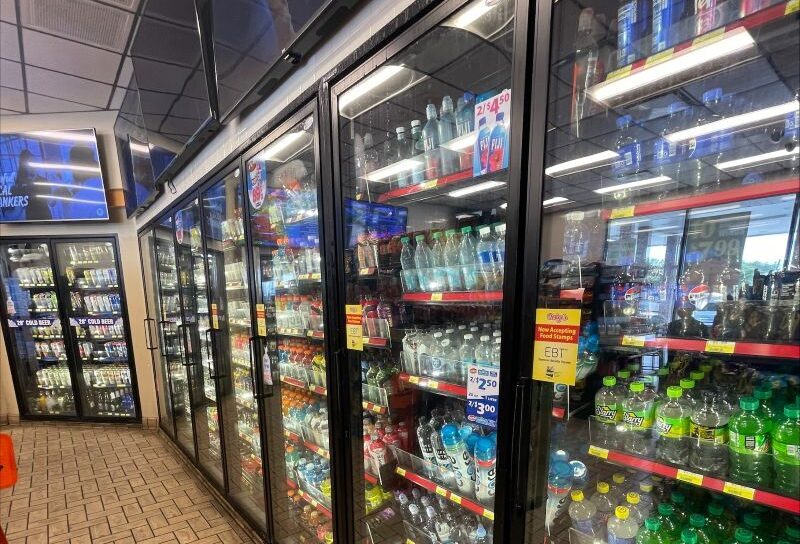
Grocery & Convenience
Ending severe duct condensation, corrosion and fogging on glass. Successful implementation led to rollout to 15 additional locations.
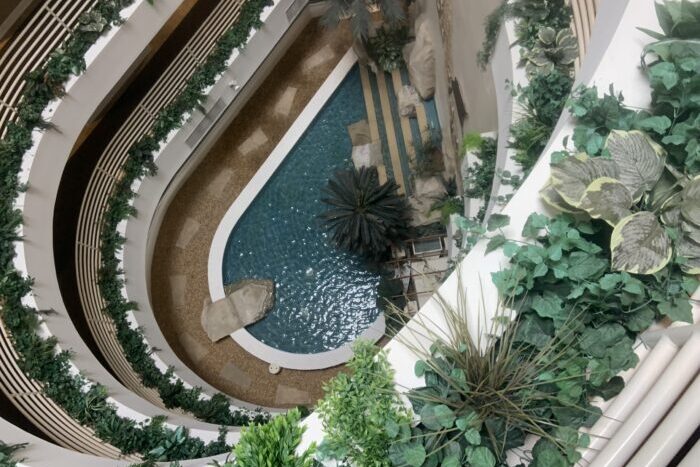
Luxury High-Rise & Hospitality
Protecting luxury finishes and ensuring guest comfort. Latent load control in high-occupancy zones without overcooling.
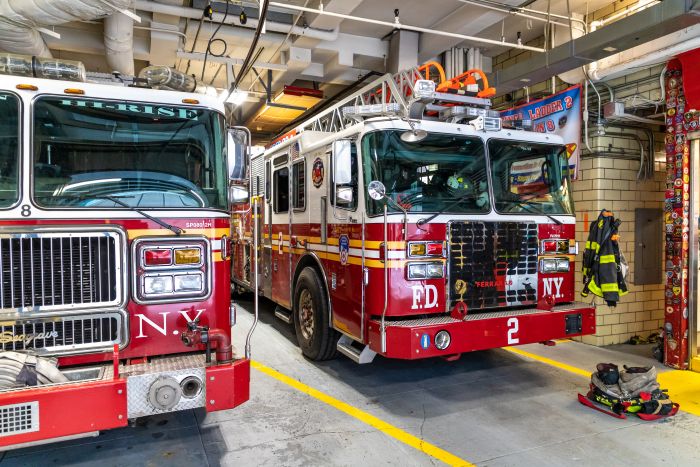
Municipal & Offices
Protecting public assets and employee health through mold mitigation. Solution led to rehousing of personnel after mold displacement.
A Proven Blueprint for Tropical Humidity
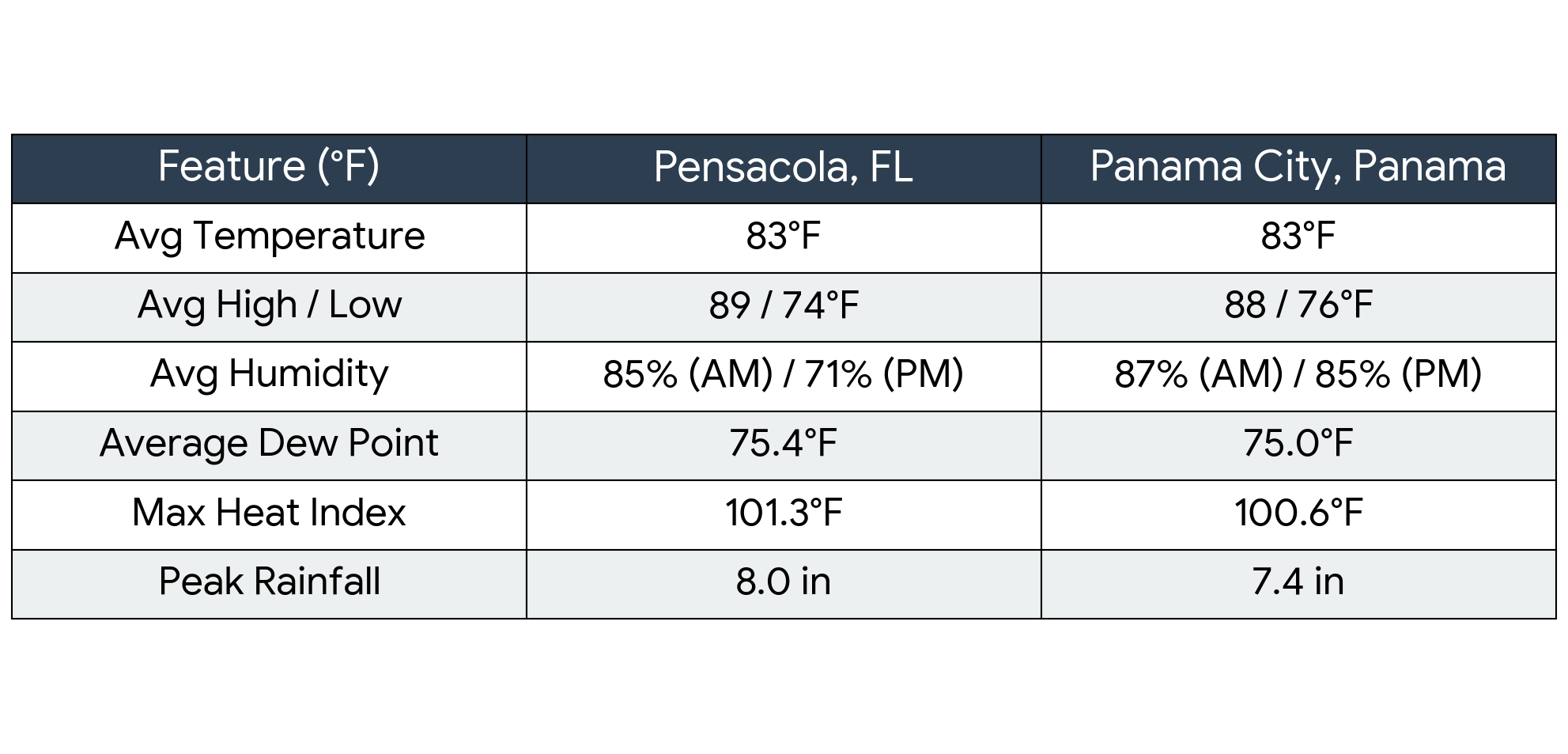
The US Gulf Coast and Panama share a unique “latent heat” profile. Our 20+ year database of moisture control performance in the Southeast US serves as a precise Climate Proxy for Panama. We apply years of data to achieve consistent, deep humidity reduction, ensuring your building remains dry and preserved even when ambient humidity exceeds 90%.
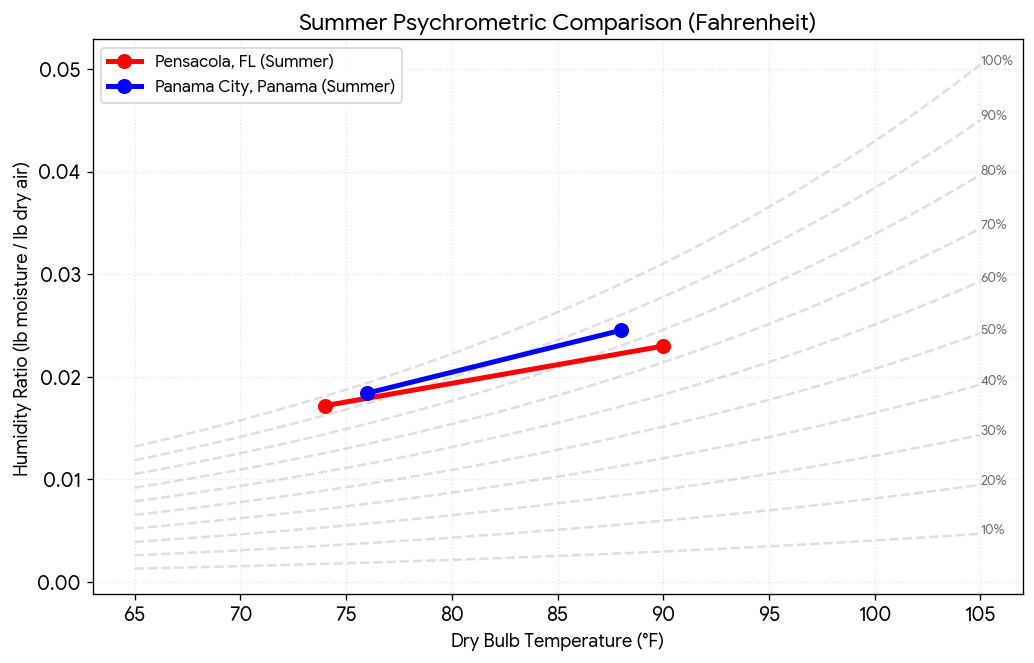
Why the Southeast US Data Matters
While Pensacola, Florida is classified as Climate Zone 2A (Hot-Humid), it serves as the ultimate ‘proving ground’ for tropical moisture. Our decades of experience and success in high-moisture environments provide the validated predictive modeling required to solve the extreme humidity challenges of Panama’s Climate Zone 1a (Very Hot-Humid).
Persistent Indoor Humidity
Many buildings in Panama rely on HVAC systems to help manage indoor conditions. But cooling and dehumidification are not the same. In humid climates, air conditioning alone may not remove enough moisture to maintain a stable indoor environment.
Common reasons humidity remains high include:
- HVAC systems are designed primarily for temperature control
- Cooling cycles may end before enough moisture is removed
- Oversized systems may cool quickly without adequately drying the air
- Outdoor air and ventilation add additional moisture load
The Result
- Mold growth on surfaces and contents
- Peeling or bubbling paint
- Odors that return even after cleaning
- Damage to finishes, furnishings, and stored products
- Ongoing maintenance costs and occupant complaints
A More Efficient Approach: Independent Dehumidification
Southern Climate Solutions specializes in custom dehumidification systems that work independently from the HVAC system. Instead of relying on cooling equipment to handle both temperature and moisture, our systems are designed specifically to remove humidity at the source.
Our approach is more effective and energy-efficient than HVAC-integrated dehumidification, allowing building owners and managers to maintain proper indoor moisture levels without overcooling or overworking existing HVAC equipment.
Our independently ducted, custom dehumidification systems provide:
Dedicated Moisture Control
Reduced HVAC Load
Removes latent load directly, allowing HVAC systems to focus on temperature control.
Less Overcooling
Maintains comfort without lowering temperature setpoints to compensate for excess moisture.
Improved Indoor Stability
Creates stable indoor conditions year-round, improving building performance and IAQ.
The real advantage of independent dehumidification systems isn’t just better humidity control – it’s what that control unlocks: lower cooling demand, improved system performance, and measurable reductions in energy costs.
Better Humidity Control. Lower Cooling Costs. Built to Pay for Itself.
In tropical climates like Panama, commercial humidity control directly impacts building energy consumption.
In tropical climates, excess humidity forces HVAC systems to run longer and work harder—often overcooling spaces just to maintain comfort. By removing moisture independently, dedicated dehumidification allows the cooling system to operate more efficiently and maintain comfort at higher thermostat settings.
That matters because even small increases in thermostat settings can produce meaningful reductions in energy use. When humidity is properly controlled, buildings no longer need to be kept artificially cold to feel comfortable—reducing cooling demand and lowering monthly electricity costs.
Why Traditional HVAC Wastes Energy
Traditional HVAC systems in humid climates must manage both temperature and moisture at the same time. This leads to longer run times, unnecessary overcooling, and inefficient operation—driving up energy consumption and operating costs.
What Changes with Independent Dehumidification
By removing the moisture load first, independent dehumidification allows the HVAC system to focus on temperature control. This reduces runtime, stabilizes indoor conditions, and eliminates the need to overcool the space to achieve comfort.
Energy Tradeoffs of Heat-Driven Dehumidification Systems
In some commercial applications, desiccant-based dehumidification systems are used to control humidity. These systems rely on heat to regenerate moisture-absorbing materials, allowing them to achieve precise humidity levels in controlled environments.
However, this process requires continuous energy input and can introduce additonal heat into the conditioned space – often increasing the overall cooling demand in warm, humid climates.
In tropical commercial buildings, where both temperature and humidity are already elevated, this added load can work against energy efficiency goals.
Independent dehumidification removes moisture directly – without relying on overcooling, reheating, or heat-driven processes-allowing HVAC systems to operate more efficiently.
Desiccant (Typical Commerical)
~ 1.0-2.0 L/kWh (varies widely by application & heat source)
Requires:
- Process fan
- Reactivation fan
- Heat source (electric, gas, or steam)
Independent Dehumidification
2.4 – 3.12 L/kWh
Low Draw electrical
High-efficiency independent dehumidification systems can deliver up to 2x more moisture removal per unit of energy as compared to traditional desiccant dehumidifiers. This difference become critical when evaluating total system efficiency in hih-humidity environments.
High-Performance Moisture Control with Minimal Energy Demand
Our systems are not built around a single piece of equipment—they are engineered combinations of independently ducted dehumidification units selected and placed to match each building’s moisture load. By combining high-efficiency equipment into a custom system, we deliver powerful humidity control while maintaining a remarkably low overall energy draw.
Low Demand Equipment
Traditional HVAC systems consume excessive energy trying to control humidity through overcooling. By removing moisture independently, our systems eliminate that inefficiency—reducing the total energy required to maintain comfort.
Individual units often operate at power levels comparable to—or less than—a standard household blow dryer, making it possible to deliver meaningful moisture control without high electrical demand.
This low energy draw, combined with strategic system design, allows buildings to achieve consistent humidity control while avoiding the energy spikes typically associated with cooling-based moisture removal.
Unit Efficiency Metrics
These metrics are from three of our most popular units used to create our custom system designs.

Independent Dehumidification vs. Cooling Based Moisture Removal
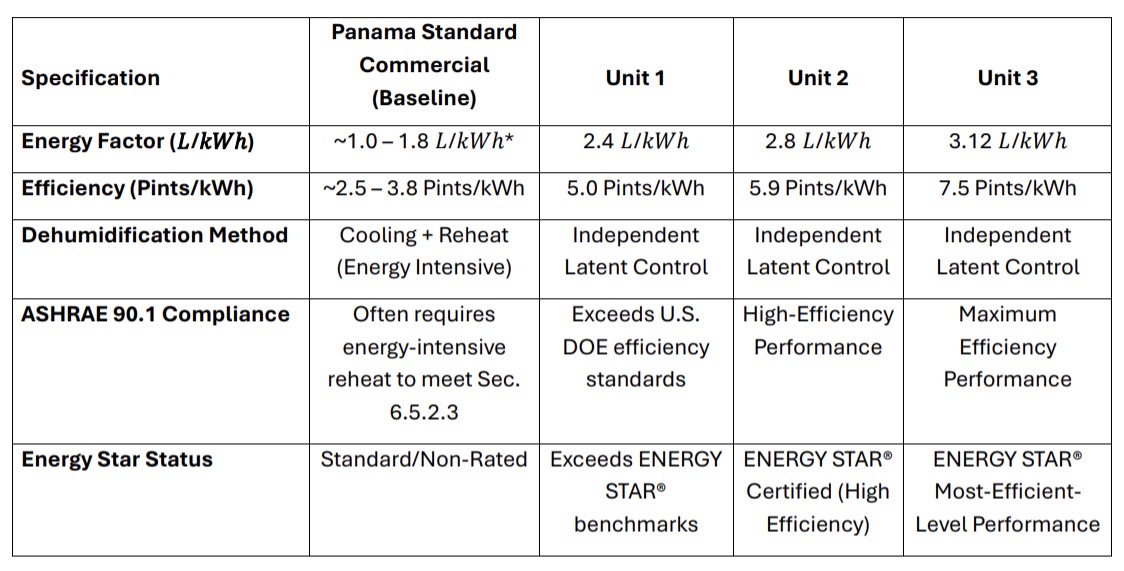
Note: The “Panama Standard” baseline is derived from standard commercial DX performance in high-humidity tropical zones where dehumidification is a secondary by-product of cooling, rather than a primary engineered function.
Real-World Energy Impact in Panama
If a commercial building in Panama is currently maintained at 70°F (21°C) for comfort, but improved humidity control allows that same space to operate comfortably at 74°F (23°C), the impact is significant:
13%–22% Reduction in Cooling Energy Use
Even modest adjustments in setpoint can translate into substantial cost savings in high-humidity environments. Studies indicate that buildings can reduce energy consumption by approximately 6-10% for every 1°C increase in thermostat setpoint when humidity is properly controlled.
By eliminating overcooling and reducing HVAC runtime, these energy reductions directly lower operating costs-creating a clear and measurable return on investment.
Engineered for ASHRAE 90.1 & EDGE
Our systems help developers exceed ASHRAE 90.1-2022 standards for latent load management.
By focusing on targeted dehumidification rather than energy-intensive reheating (Section 6.5.2.3), we help projects qualify for IFC EDGE Certification.
Driving the HFC Phase-Down
Panama’s commitment to the Kigali Amendment requires a significant reduction in HFC refrigerant usage. Our independent solutions optimize the performance of existing HVAC equipment by assuming the moisture load; this allows the primary system to focus exclusively on temperature control, operating with far greater efficiency and reducing the overall environmental footprint of the building in support of the 2050 National Energy Plan.
The Impact of Humidity and Mold on Building Life Health & Occupant Safety
Health & Indoor Air Quality
Infrastructure & Maintenance
Public and commercial buildings often face continuous maintenance challenges due to excess humidity. Peeling finishes, mold remediation, and material deterioration can lead to ongoing repair costs and disruption to building operations.
Commercial & Property Impact
Hotels, rental properties, and commercial spaces may experience tenant complaints, odor issues, and damage to contents when humidity is not properly controlled – affecting both occupant experience and long-term value.
Effective Mold Mitigation Starts with Humidity Control
Long-term mold mitigation begins with controlling indoor humidity.
By reducing excess moisture in the air, independent dehumidification systems help create conditions that are less favorable for mold growth on walls, ceilings, finishes, contents, and equipment.
De-Risking Commercial Projects in Panama's Humid Climate
High humidity in Panama creates hidden risks for commercial buildings – from mold growth and condensation damage to occupant discomfort and long-term maintenance issues.
Our systems are designed to de-risk these environments by controlling moisture independently of the HVAC, protecting both the building, it’s performance, and occupants.
For architects and engineers designing in tropical environments, humidity is one of the most challenging risks.
By incorporating independent dehumidification, projects can avoid common failures associated with moisture-without overloading the HVAC system.
We work alongside with design teams to deliver solutions that protect performance, reduce callbacks, and ensure long-term reliability.
Solutions for a Wide Range of Properties
Our dehumidification systems can be designed for many spaces, including:
- Hotels and hospitality properties
- Commercial office buildings
- Condominiums & Luxury Highrises
- Retail and supermarkets
- Data centers & logistics
Designed to Complement Existing HVAC
Our systems are designed to complement existing HVAC equipment—not rely on it for moisture control. This allows each system to do what it was intended to do: HVAC manages temperature, while dedicated dehumidification controls humidity.
By separating these functions, buildings can achieve more consistent indoor conditions, reduce strain on cooling systems, and improve overall performance without major changes to existing infrastructure.
How We Support Projects in Panama
We provide remote and on-site commercial humidity evaluations, system design, and performance-focused solutions tailored to tropical environments.
We work alongside property owners, engineers, local contractors and design teams to implement effective dehumidification strategies in tropical environments.
Project Support Includes:
- System design and equipment selection
- Coordination with existing HVAC systems
- Guidance for new construction and retrofit applications
- Performance-focused humidity control strategies
- On-site evaluations and project support
- Remote consultation and planning support
Flexible Implementation
Our experience across hospitality, commercial, multi-family, and retail environments allows us to adapt solutions to a wide range of building types and operational needs.
Executive Summary & National Initiative Compliance
Our methodology is aligned with Panama’s Energy Transition Agenda. We provide the data-backed documentation to qualify projects for efficiency incentives by demonstrating verified humidity reduction and building preservation.
Facilitating Inclusion in Panama’s Energy Initiative
This brief outlines how our Southeast US data acts as a validated humidity-reduction proxy for Panama’s Climate Zone 1A, streamlining the approval process for large-scale commercial projects.